美国很多家长都会到小学当志愿者(或称义工),原因有很多,了解学生在学校的上课情形;帮助小组的读书练习;帮助学校的各种特殊节日庆典;帮学校或老师做不同的琐事等等。
Many American parents love to volunteer in school. They can see what is going on with their students; they can assist small group instructions; they can help classroom's celebrations; they can help with many errands at school.
美国沉浸式的教室是不能使用任何英文,所以如果家长不懂中文,如何帮忙?家长可以帮忙削铅笔,可以帮忙文件归档,带字卡回家剪和装袋,帮忙剪贴(我曾经把一些童书简单翻译出来,打印出来的翻译和书都标明号码,家长带回家按照号码剪贴),帮忙整理文具用品,张贴或收拾美术作品,改功课,改考试卷(这一点必须争取学校同意,因为学生的成绩不应该公开在他人眼里,除非试卷上没有名字。)
However, there is no English allowed in Immersion classrooms. If parents can't speak Chinese (or any target language), how can they help? Parents can sharpen pencils; organize paperworks; take flashcards home to cut and separate them into bags for students to use; cut and paste children's books (I have translated some simple children's books that we received for free. Parents pasted the cut out translations onto books.) Parents can correct homework and quizzes. School will need to agree before letting parents correct quizzes because students' grades should be private. Unless there are no names on the quizzes.
因为老师也不能在教室里用英文,让志愿者了解各项作业就要事先做好准备,可以简单写个英文的条子,附在待完成的物品上,也可以事先写电邮跟家长沟通。
Since teachers can't use English to communicate with parents in classrooms, they will need to prepare ahead. Anything that needs to be done should have a clear note attached to it. An email can be sent home first to require help and with instruction on certain tasks.
电邮是和家长联络的方法之一。部分的家长可以到学校,可是大部分是来不了的。家长会很感激老师和他们沟通各种事情,学生的进度,学校的活动,以及学生的问题。沟通的方法除了上面提到的电邮,还有其他方法。
Email is one way to communicate with parents. Some parents can come volunteer at school but some can't make it. They will appreciate any kind of communication that let them see the progress of students, aware of school activities, and be notified about students' behaviors.
1. Remind: 这是智慧手机的app,方便好用而且免费,老师需要先注册,然后上面会有说明如何设定班级,可以设定不同的班级,家长按照指示加入。老师可以选一个或全部的班级来发通知和提醒。如果是要个别通知,也有这个选项。
Remind is a nice and free APP. Download it then register. There will be clear instruction on how to set up classroom(s). Parents can follow direction to join your texting group. Teachers can reach out individual parent as well.
2. Newsletter: 把学习进度和目标打印寄给家长,可以用电子邮件,也可以打印出来,有些家长可能比较习惯读纸上的信息,可以打几分给这些家长就行。
Newsletter can be sent via email. Some parents prefer reading actual letters, so maybe few can be printed for the parents.
3. 影片:即使家长到了教室看到上课情况,他们也不一定了解学生在说什么。家长签下同意书之后,可以拍下学生的学习情况,制成影片给家长看。这些影片配合上课内容打上字母也是练习的工具。要注意的是,如果要上传的YouTube,一定要上传到unlisted,这样影片就无法被公开搜寻,当然,家长也要了解你的用意。如果学区有下载影片的地方,那就更方便了。
Classroom videos can be used to show parents the progress of the students. Parents will need to sign agreement to allow their kids to be filmed. When school and parents agree, the film can be uploaded to Youtube, however the setting should be on unlisted to avoid public searching. If school district has their own channel for film, then just use the District one to save troubles.
4. 教学网站:如果学区提供那就最好,如果学区没有提供方便的博客工具,老师也可以自己做一个网站,介绍学习目标和各种活动,给予中文功课的协助,如果做了影片,可以加在这里给家长看。
Blog or teaching website. Teachers can use blog to show learning objectives, embed the films, school activities, and homework help. Some school Districts provide blogs and teachers should take advantage of that.
5. 纸条:如果有些紧急要家长看到的活动或其他通知,我和我的搭档会把内容打印在颜色鲜艳的纸上,为了节省资源,尽量印小一点,一张纸可以印好几分,这些印出来的纸条会被折几折,学生书包上通常会有个提带,我们把折好的纸穿过提带用订书机钉起来。学生的书包是黑洞,很多东西进去来就从此找不到,所以这个方法,保证家长一定看到。
Sometimes a printed note is inevitable. A note can be printed multiple times on a paper then cut apart. Fold the cut out paper many times, thread through the loop on student's backpack. Staple the two ends together. Make sure to print on colorful papers. Students' backpacks often become blackhole. To have a note hanging this way can ensure parents to read the note.
Tuesday, June 14, 2016

Friday, August 14, 2015
Procedures! Procedures!Procedures! 没有常规,没有学习!
目标,评量, 活动这三个教学不可忘记的思考模式是明尼苏达州,连鹭役博士的无私分享。这是连博士把backward design公式化的结果,如此简单扼要的口诀,时时提醒老师们用目标引导教学设计是非常有效率的。
有了目标- 知道学生必须学会什么,有了评量-如何确定学生学到了,有了活动-学习的方式,有了这三点,就要常规把这三点紧紧结合,如果没有常规把这三个点连结在一起,它们会变成三个浮游的点,老师会终日漫无头绪的追逐这三个点,而这三个点会越漂越远,越来越远,终日追逐的老师,越来越累,越来越累。


有了目标- 知道学生必须学会什么,有了评量-如何确定学生学到了,有了活动-学习的方式,有了这三点,就要常规把这三点紧紧结合,如果没有常规把这三个点连结在一起,它们会变成三个浮游的点,老师会终日漫无头绪的追逐这三个点,而这三个点会越漂越远,越来越远,终日追逐的老师,越来越累,越来越累。

一定要用有意义的常规把这三个点连结起来,老师备的课才能传达,才会产生意义,学生才会学习,课才会完整。

再把常规复习一次!
什么是常规?一个老师如何让学生在课堂学习运作,如何注意听讲,如何吸收,如何做反应,如何当一个学生。
上课前,学生如何进教室,东西如何摆放,怎么坐下,怎么管理自己,怎么对自己负责,这些要教导。上厕所,喝水,在哪里排队,都要设想到。
上课中,坐哪里,老师如何得到学生的注意,怎么样把精心准备的课让学生吸收领悟,怎么样让学生运用学到的语言来表达他们懂了。
上课后,怎么排队,怎么出去下课和回来教室;怎么回家。
在沉浸式的教学里面,这些点点滴滴都要教的,这些语言对学生来讲,可能都是全新的。举个例子来说,老师要孩子排队,老师说:男生到左边排队站好,女生到右边排队站好。问题在哪里?老师要先确定学生知道男生和女生,他们也必须知道什么是左边和右边,小一点的孩子,知道什么是排队?知道什么是站好吗?
看新老师的夏令营到教室的实习教学,我们往往观察到新老师上课挣扎的几个点都是在课堂管理上面。
老师们太执着于自己的课,只想着自己的课和每一个步骤,忽略学生的反应。学生要全面顾及到,学生是否坐不住了,学生是否用表情行动表示他们不懂了,老师往往忽略掉学生的反应,自顾自的坚持把课“说完”, 着实可惜一场熬夜准备的课,因为学生没有听,课是白讲的。请,一定要,绝对要,千万等到学生注意你了,你才上课。不注意你,你如何让学生注意你?眼睛-看。耳朵-听。嘴巴-微笑。这是一个方法。拍手也是,摇铃,唱歌,数数,方法很多。要先让学生习惯,并时时练习。

网路示意图片
学生没有反应,课也是白准备的。自问自答,不是在教书。听到很多“对不对?对。”“是不是?是。”问问题时,避免是,不是,对,不对,这种简单没有思考性的问题不能启发孩子。当然那是刚开始的基本能力,之后一定要加深难度,“为什么是?为什么不是?”
老师如何确定学生懂了?让学生教导彼此 (事先要教会学生程序步骤),让学生重复老师的要求,让学生诉说老师刚刚所学的要点,让学生分享彼此的想法,让学生重述其他人的答案。这些都可以激发语言和思考。
迅速确定学生是否了解还可以让学生给老师一个信号,举一个事先做好的牌子上面显示懂或是不懂,悄悄在胸口举出手指头(可能1根手指头代表懂,两根手指头代表再说一次,老师跟搭档可以自行设定),这些信号当然也是常规训练里的一部分。
老师给了激发思考的问题以后,要习惯让学生先彼此分享答案,可以从这里观察学生到反应。通常我一手挡在嘴巴前面,告诉学生“不要告诉我,想一想,想10秒,然后告诉你的朋友”, 而且要学生们等老师同意才能回答,避免永远都是一样的学生在回答,怎么避免同样孩子抢尽答案,可以用前面说的分享 (Think-pair-share), 也可以用抽签(号码/名字)的方法,可以轮流,可以说“穿红色衣服的站起来告诉大家。” 同时复习红色,衣服和站起来告诉大家。大一点的孩子,可以做讨论,老师丢一个问题,然后要学生讨论出结果或找出答案。。这些都是确定反应的办法。

网路示意图片
老师一旦清楚知道自己每一堂课每一阶段的目标,接下来要利用常规来介绍活动,然后透过常规来做评量。老师必须在每个阶段习惯性的用固定语言跟步骤来进行下一个活动,确定学生了解,可以重述老师的教学重点跟活动程序,“告诉老师,我们的学习目标是什么?告诉你的朋友我们的学习目标。”“现在要做什么?第一要做什么?第二要做什么?最后要做什么?”对大一点的孩子可以开始说“我们首先要。。。,然后。。。,最后要。。。” 如果学生在了解上有问题,用数字加抽象文字: 1,首先,1,首先要回去坐下,2,然后,2,然后要写名字,写日期,写号码, 3,最后,3,最后要铅笔放下看老师。让学生重述,让学生亮亮分享老师的步骤。 这些常规语言可以让学生有更多的生活对话词汇,更多阐述个人想法的机会,这些常规都是课与课之间的润滑剂,让老师的上课跟学生的学习更有效率。
老话一句,没有常规,没有学习。一个乱哄哄,学生自顾自说话的教室是没有学习效果的。老师,白辛苦,白白备课了。
要怎么样让学生好好听课,好好做反应,好好应用所学,这是比给工作单,着色单重要几百倍的问题。
Procedures! Procedures! Procedures! 一起加油。
Sunday, February 22, 2015
30 人一班的工作站例子
工作站:多元的设计,让学生每个人都有机会参与学习。
小组的设计,所以学生不会被遗忘。
小组的设计,老师可以针对小组的需要加强辅导。
自己动手,自己管理,学生的荣誉心强。
当然执行工作站之前有大前提,那就是课堂常规已经奠定。老师一说话,学生就知道要做什么,一放手就知道规矩方圆在哪里。另外就是,每个工作站都应该有清楚的学习目标,而且老师示范,学生示范,然后才成为一个站供其他学生练习。(I do, we do (需要时可以重复), you do.) 一旦熟练的工作站,可以把内容汰换应付不同学科目标,程序不变。

做个简单的例子:(请自行依照年级增减人数,工作站以及各站难易度。)
· 假设一班有30个人,把这班分成五个组,一组里有6到8人是还可以执行的数目。当然6个人会好过8个人,可是如果时间不够让五个组尝试,也是可以改变。
· 墙上清楚标示这五组的名字和组别名称或号码。
· 说明这个星期(或今天)五个工作站的学习和地点。反复几次,问学生“这个工作站要做什么?要学习什么?要怎么做?做时要注意什么?做完要做什么?”
· 一:听有声书。二:访问班上小朋友。三:数学游戏。四:数学练习。五:老师的桌子。
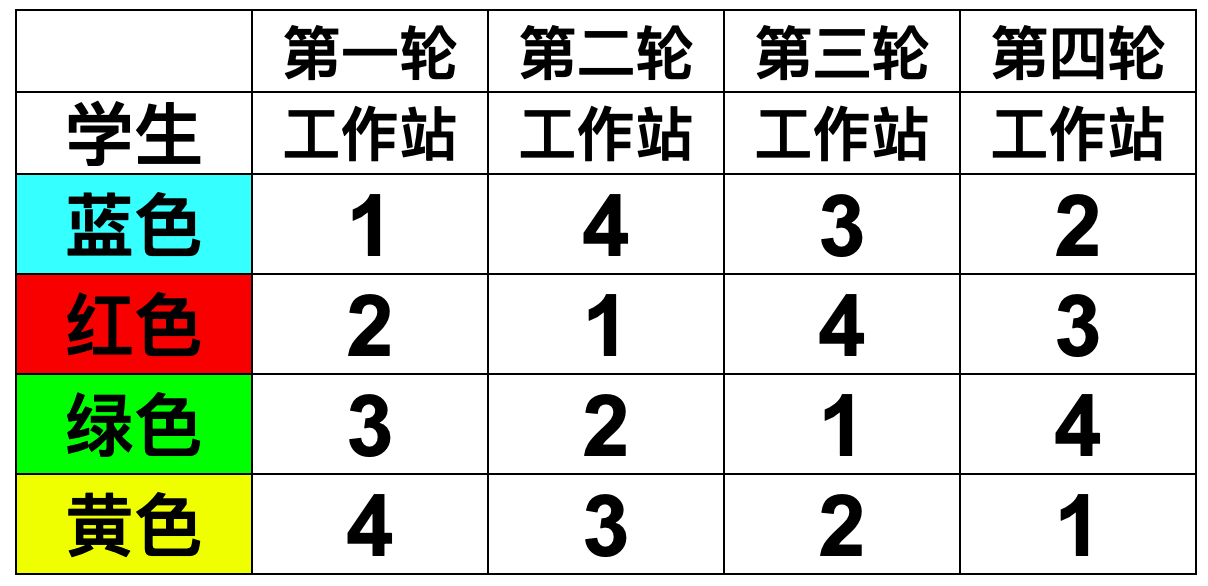
· 每一个站10-20分钟左右。可以把五个站名写出来,用吸铁石吸在五个组的旁边。10分钟一到,整个换。比如有红,橙,黄,绿,蓝五组。第一轮开始时,红组有1,代表有声书。橙有2号,代表去走动访问记录。黄有3号,代表去玩游戏。绿有4号,代表去写数学练习。蓝有5号,代表去和老师做小组辅导。下一轮,红-2,橙-3,黄-4,绿-5,蓝-1。再到下一轮,红-3,橙-4,黄-5,绿-1,蓝-2。依此类推。
· 工作站内容可以全部是数学,也可以混杂其他学科,可以加入对话,写作,美术。时间可能10分钟到20分钟。可能一天做完,也可能一个星期或更长做完。完全看学习的需要以及时间的条件。
如果只有四组,下面这个例子可以供作参考。不管是四个或是更多的工作站,老师一定要沟通并示范每个工作站,从开始,过程,结尾的每一步都要展现清楚。然后让一组学生出来示范,其他人可以在观察以后讨论,说出很棒的大家要遵循的地方。

这个影片有部分的工作站过程。

English in Chinese classroom?
What I feel about students
using English in my classroom?
I was asked a question. This
teacher has a concern and she wanted to know how do I feel about it.
Apparently, she has learned an immersion classroom teacher has been sending
students to time out when the students speak English in Chinese class.
She said it doesn’t feel
right but she didn’t know what to say or think.
My answer might not be right
but I have my reasons to not to agree with this kind of consequences.
Reason one, these students
are living in US, of course they need to speak English and speaking English
shouldn’t be punished. One might argue, but they are in Chinese My perspective on students using English in my classroom is rooted in fostering a balanced and respectful bilingual learning environment. I was recently asked about my thoughts on a situation where a Chinese immersion classroom teacher was sending students to time out for speaking English in class. While my response may not be definitive, I have reasons for disagreeing with this approach.
Firstly, considering the context that these students live in the United States, it's natural for them to use English outside of class, and this should not be penalized. Although they are in a Chinese immersion setting where Chinese is encouraged, I refrain from punishing students for using English. Instead, I kindly remind them in Chinese that we're practicing Chinese in this class, and that English is for other classes. When there's mutual understanding and trust, students usually respond with respect.
What if some students continue using English? Secondly, it's important to acknowledge that their Chinese vocabulary might be limited. We can't expect exclusive use of Chinese when their vocabulary is developing. To help them learn new words, I encourage students to express themselves as best they can, and I provide missing words when needed. I teach them to ask "how do I say this in Chinese?" When a student acted out "pirate" without using English words, I filled in the vocabulary gap and added it to our word list. Another student, excited about dressing up as a cowboy, mixed languages. Other students naturally encouraged him to express himself in Chinese, fostering peer support.
Thirdly, our aim is bilingualism. We want students to be at ease using both languages. Why suppress one language? We should explain that certain times and places are meant for specific languages. Personally, as a Chinese immersion teacher, I initially felt self-conscious using English due to the emphasis on using only Chinese. But I realized that teachers should be role models for balanced language use. How can we ask students to be bilingual if we only use one language?
The concept of "time out" is typically associated with misbehavior, and we should avoid equating speaking one's first language with misbehavior. As immersion educators, our goal is bilingualism, not making students feel guilty about their first language. I believe that students will respond positively when kindly prompted to use Chinese. Reminding each other to "speak Chinese" can foster a cooperative environment where children willingly engage.
In conclusion, my immersion teaching philosophy centers on nurturing bilingualism while maintaining respect for students' languages. I trust that students will respond positively to polite requests, and if we collectively encourage the use of Chinese, they will naturally embrace the language.
Tuesday, October 14, 2014
Parent teacher conference time 开家长会了!
家长会-Parent teacher conference 是一般的称呼。就是老师家长和学生面对面坐在一起讨论学习计划未来的一件必经之事,而且至少一个学年要两次。
这里分享的方法是犹他,Davis学区西班牙文沉浸式小学分享出来的做法。我们的学校一直以来就是沿用此法,效果不错。
如果你的学校有不同的做法,记得要尊重,每个学校的考量不同所以还是以校方的做法为主,可是我这里提供的建议可以当辅助。
因为至少要做56个会谈,所以一个家庭只有15分钟的时间。5分钟让我做中文及数学的测验,然后学生离场,剩下10分钟让我和英文老师分别报告各种成绩和学习状态,并让家长提问。
做什么样的中文和数学测验?我们第一次的家长会是在学生上38天课以后开始,许多成绩尚未评估出来,所以我很开心可以利用这个评估的机会,面对面,把39天以来学习的东西,踢出重点,写出8道中英题目。问学生的同时,让家长了解我在问什么,看图例。这些问题会搭配另一张打好字的纸张来让学生找出正确的词句。

每个年级都应找出自己上课时的重点,然后问题可以随着年级加深。而第一次和第二次的会谈题目也会不同,我的第二次会谈就会加上手写的部分。中高年级的老师可以先试试简单笔画的字,然后下一次的会谈可以写句子。读短文叙述内容也是一个验收成果的好办法。
问完问题,我把学生的成绩抄在自己的名单上,然后给家长带回家,而学生的成绩则成为我做工作站时分组的一个好依据。
学生离开会谈的地方到走廊看书,我们会准备椅子和书籍给学生,所以等候时不至于太无聊。
如何和家长应对非常重要,这个会谈是要庆祝学生的成功,让家长明白学习进度,不是抱怨学生行为或学习的时间。因为如果有问题,平时就该提出来,而不是等到家长会才说出来。
可是,多说正面的话不代表学生不学习或不乖的事情就不能说,口气用语态度是成功的关键。以我提出的问题为例,评分标准只有三个,一个是C=can,我做得到。CW= can do with help, 老师提示一下就记起来了。G=goal,这将会是我们的学习目标。不会就加强练习,不用说不好,不优秀,不懂这类的话,家长懂得弦外之意的。
学生学得好,赞美的地方也是要具体一些, “He/she is a
good leader, a good listener, a good friend, a wonderful helper,a good reader, ….” “He/she
loves to help, loves to learn, can focus, have good hand writing, always have a
smile, and knows how to follow rules…” “Let’s celebrate his/her success. Please
give your child a big hug. Let them know that teachers are really proud of them.
We are so happy to have him/her. “
学生课业上的表现不好,可以说“We need to work on …or
work harder on listening, paying attention, being a good friend, or hand
writing. 说出来以后,最好要有应对的方法,如何改进以后的学习。比如说一个学生数学不好,我请家长让我跟学生在下课时留在教室密集复习3分钟后再下课。比如学生的字写的不好,我只强调希望家长帮忙锻炼小肌肉,握笔好了,才有办法写字。
很重要的一点,谢谢家长配合你,谢谢家长的用心,这点一定要提。因为,事实上没有家长的扶持,老师的工作会更辛苦。
Friday, October 3, 2014
More details in Centers- 工作站二试试看
第一篇提的考虑事项设想以后,就可以着手试试看。
请特别注意,千万不要焦急试验的太早,学生一定要在熟悉课堂常规以后才可以动手,所有的学生都一样,尤其是低年级的学生。
我以数字概念做例子,我想让一年级的孩子能更熟练的用中文说数字,我打算让学生掷骰子,说出数字,然后把数字写在白板上。我先在全体教学时做示范,两组学生上来前面演练,全班都懂了以后,让全班一起练习。我会提醒音量,过大时的措施,这些都非常重要,必须练习。之后用骰子做加法时,也是同样的步骤,而学生可以很快上手,因为基本手动的规矩一样。这件事情,我花了整个数学课和语文课的时间来完成。这种时间的投资不但重要,也是必要。
相同的活动可以晋级,做加减,可以两个人一起做,中高年级可以用不同的骰子(有市售大数字的骰子,也可以试试自己做低成本1-6及3-8的骰子,最好是影印在厚一些的纸上。),找位值,做乘除。


请特别注意,千万不要焦急试验的太早,学生一定要在熟悉课堂常规以后才可以动手,所有的学生都一样,尤其是低年级的学生。
我以数字概念做例子,我想让一年级的孩子能更熟练的用中文说数字,我打算让学生掷骰子,说出数字,然后把数字写在白板上。我先在全体教学时做示范,两组学生上来前面演练,全班都懂了以后,让全班一起练习。我会提醒音量,过大时的措施,这些都非常重要,必须练习。之后用骰子做加法时,也是同样的步骤,而学生可以很快上手,因为基本手动的规矩一样。这件事情,我花了整个数学课和语文课的时间来完成。这种时间的投资不但重要,也是必要。
相同的活动可以晋级,做加减,可以两个人一起做,中高年级可以用不同的骰子(有市售大数字的骰子,也可以试试自己做低成本1-6及3-8的骰子,最好是影印在厚一些的纸上。),找位值,做乘除。
上面的学生可以很快的做加法,我不会规定她一定要画图。
这个学生尚无信心,她可以画点数来做加法。工作站就是给学生适性发展。鼓励他们思考帮助自己了解。
接下来,我打算让认数字变有趣一些,我加上涂色。掷到一个数字就把有该数字的图涂上颜色,中高年级的挑战可以先读颜色再涂正确的颜色,或是做乘除。为了节省纸张,这个练习我用白板示范,可是加上语言的引导,学生懂得做联想,知道要做什么。
我再示范了一个工作站的活动,加了竞赛和语文的元素。我让学生用十方格和小东西来比赛,看谁先完成10个,我示范必要的语言“换我,换你,我赢了,再一次。” 前几次没有完全做到没关系,罗马不是一天造成,学生很快就会让你吃惊。
我放了一个中国买的地板游戏,学生要听音辨出数字。原本是要用脚踩,可是我担心这样一年就坏了,我规定只能用手按,这个游戏我已经用了第三年,看起来还是很好。
图有点小。抱歉。
因为学生还不是很懂这个工作站怎么运作,所以我还没加入老师的小组教学。四个小组轮流经过四个工作站。要提醒学生时间,“剩下5分钟,剩下3 分钟,剩下1分钟,剩下20秒一起倒数。”接着喊出整理的口号,如果有整理的歌也可以在这时唱,提醒学生每一项东西是否放好了,让全班暂停,检查每一个工作站, 检查好了才换工作站,如果有学生的各组名单,可以用清楚的图表来示意。可以上网去查 classroom center chart, 找到不同的点子。
每一个工作站大概是12分钟左右,要加上转换的时间。
如第一篇指出,可以有4个以上的工作站,如果有5 或6个工作张,会不会太复杂?只要有清楚的图示,学生会知道下一个工作站要做什么,当然重点就是常规,常规,常规,课堂常规要先切实执行!
开始时,我会在每一个工作站后鼓励良好的表现,给每一个人奖励。惩罚则是没有分数,工作站开始以前,我会画三条线在白板上,太吵,没有按照规矩时,我会按铃警告,并擦掉一分。工作站结束后如果还有剩下的分数,每个人都可以得到。连坐法的处分让学生彼此提醒。我也会规定老师的小组不可以被打扰,做完的小朋友该做什么要先说清楚。下图的学生知道做完要看绿色盒子的书,他也聪明的告诉其他小朋友把完成作品放哪里,然后哪里拿书来看。
希望这样的讲解有帮助。有问题,请留言或写email给我。
Thursday, October 2, 2014
More details in Centers-工作站 -要考虑的
为什么做工作站?有些人可能对Centers有不同的称呼,英文课堂里也有不同名称,可是目的是一样的。
往往学生的程度不同,学习的速度不一,为了可以更有效的接触到更多的学生,帮助不一样的学生学习,老师需要时间来辅导小组的学生,工作站因而产生。
学习目标不同时,分组方式也不定。
如果是社会学科的实验或美术课程,学生的程度可以互补。
如果是为了学科目标,每一组学生的能力必须相当,否则和全体上课一样,少数了解,部分的小朋友又被遗忘了。
今天就是以学科目标当出发点的工作站经验分享。
正式开始以前,教室的动线先设计清楚。什么样的活动要在什么角落都要先考虑,安全和方便都是考量范围。
通常工作站都是3到6个左右,可是学生人数也是决定几个工作站的关键,如果学生人数太多,那就失去了小组学习的意义。一个组的成员应该不超过8个人,6个人是理想的数字,不过常常是事与愿违,不超过8个人的小组人数才方便老师做重点的复习。
工作站的种类比较容易决定,因为要和学习配合,要加强数学,就增加数学的项目,要增强语文,就加入语文元素,然后留其中一个工作站是给老师做小组学习的。
可以参考的工作项目:
数学游戏:这个项目有无限可能,也可以同时有两组进行。根据目标来决定什么样的游戏,游戏不必太复杂,最好可以代换元素让学生好操作。
中文游戏:重组句子,在教室找中文字,让中文生活化,游戏化。
中文日记:低年级学生可以用简短句子和画图来表达,中高年级的学生可以给主题和主要词句做引导。
应景的美劳工艺:最好事先安排,工作站可能一天只能循环一次,全体学生都做到可能需要整个星期或更久,所以要更早计划好。
问答和访问练习:给学生问卷,让他们彼此访问。
有声书:设备需先准备好。
桌上或地板游戏:拼图,七巧板。。。
电子类的工具:iPOD, iPad,电脑。
其他静态的学习单甚至测验,这个项目也是因材施教的好机会,不同的组别可以给不同的学习单来挑战学生或帮助学生了解基本概念。
老师的小组:则是要做不同的应变,面对不同的学生有不同的准备,有时候是已经学会需要挑战的学生,有时是需要加强基础的学生。
工作站不一定要天天花很多时间来做,而且在课堂常规习好之前也不要尝试,不然学生的坏习惯养成会花更多时间来弥补。
一个工作站大概只需15分钟的时间,高年级的时间可以稍长。学生可以一天只体验一个站,或是两个站,完全看自己的课程时间安排。
往往学生的程度不同,学习的速度不一,为了可以更有效的接触到更多的学生,帮助不一样的学生学习,老师需要时间来辅导小组的学生,工作站因而产生。
学习目标不同时,分组方式也不定。
如果是社会学科的实验或美术课程,学生的程度可以互补。
如果是为了学科目标,每一组学生的能力必须相当,否则和全体上课一样,少数了解,部分的小朋友又被遗忘了。
今天就是以学科目标当出发点的工作站经验分享。
正式开始以前,教室的动线先设计清楚。什么样的活动要在什么角落都要先考虑,安全和方便都是考量范围。
通常工作站都是3到6个左右,可是学生人数也是决定几个工作站的关键,如果学生人数太多,那就失去了小组学习的意义。一个组的成员应该不超过8个人,6个人是理想的数字,不过常常是事与愿违,不超过8个人的小组人数才方便老师做重点的复习。
工作站的种类比较容易决定,因为要和学习配合,要加强数学,就增加数学的项目,要增强语文,就加入语文元素,然后留其中一个工作站是给老师做小组学习的。
可以参考的工作项目:
数学游戏:这个项目有无限可能,也可以同时有两组进行。根据目标来决定什么样的游戏,游戏不必太复杂,最好可以代换元素让学生好操作。
中文游戏:重组句子,在教室找中文字,让中文生活化,游戏化。
中文日记:低年级学生可以用简短句子和画图来表达,中高年级的学生可以给主题和主要词句做引导。
应景的美劳工艺:最好事先安排,工作站可能一天只能循环一次,全体学生都做到可能需要整个星期或更久,所以要更早计划好。
问答和访问练习:给学生问卷,让他们彼此访问。
有声书:设备需先准备好。
桌上或地板游戏:拼图,七巧板。。。
电子类的工具:iPOD, iPad,电脑。
其他静态的学习单甚至测验,这个项目也是因材施教的好机会,不同的组别可以给不同的学习单来挑战学生或帮助学生了解基本概念。
老师的小组:则是要做不同的应变,面对不同的学生有不同的准备,有时候是已经学会需要挑战的学生,有时是需要加强基础的学生。
工作站不一定要天天花很多时间来做,而且在课堂常规习好之前也不要尝试,不然学生的坏习惯养成会花更多时间来弥补。
一个工作站大概只需15分钟的时间,高年级的时间可以稍长。学生可以一天只体验一个站,或是两个站,完全看自己的课程时间安排。
Subscribe to:
Posts (Atom)
-
The truth is, classroom teachers never have enough time to teach everything. Especially the 50/50 model Immersion teachers. 50/50...
-
 这位美国老师有类似的经验。有兴趣请点开来看。 跟上面这位美国老师一样,教书以来,我也试过非常多的奖惩制度方法,十多年来一直寻找方法,可是对试过的方法真的无法骄傲的说“我成功了”。 我也曾经把爱闹的学生名字写在白板上,给一个警告,不可以下课,杀鸡儆猴。可是这些鸡的生死不断...
 -
 赶在开学前,跟有爱有抱负的沉浸式老师再分享一次经验。 没有在美国教过书的老师要重新适应的事情非常多,沉浸式小学跟外语课的时间安排跟设计相去甚远,沉浸式的老师脑子要先净空,先把自己放在美国普通小学的上课角度。 我在美国大学读的教育专业,因为实习的关系,很早就体验美国小学课堂...